Strength in Response: Ben Heenan Reflects on the Coogee Beach Shark Incident

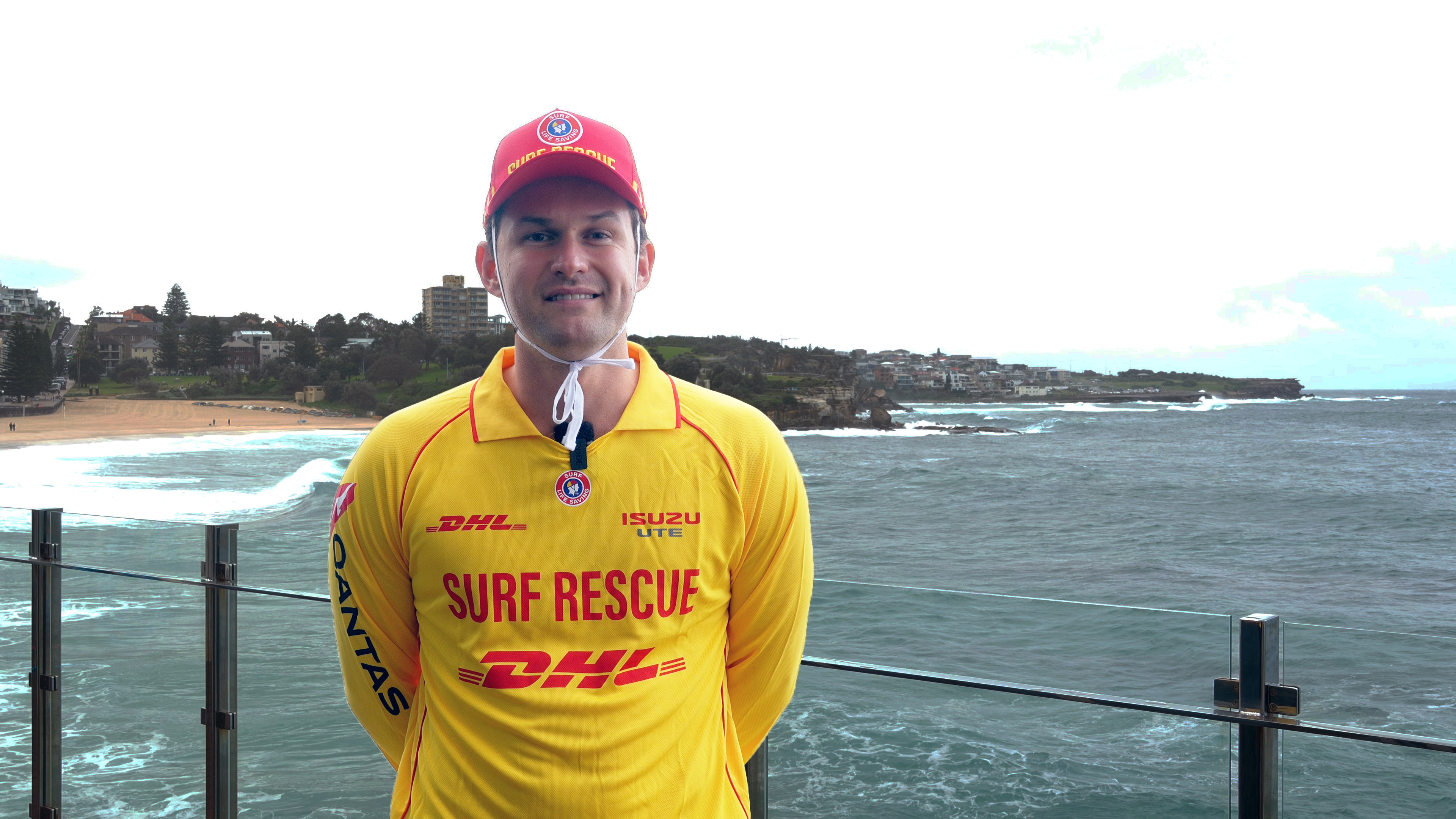
Saturday 13 June. Coogee Beach was abuzz with activity - swimmers in the water, families on the sand, and people enjoying the calm and sunny winter’s day. In a second everything changed. A shark incident occurred just 30 metres offshore, critically injuring 35‑year‑old swimmer, Leah. Among the first to respond was Coogee Surf Life Saving Club President, Ben Heenan, who was part of the rescue effort alongside off-duty surf lifesaver, Charlie Verco, and bystanders including Dr Ian Ferguson who provided urgent first aid. We spoke with Ben to understand what unfolded in those crucial minutes and how the Coogee community has rallied in the days since:
Can you talk us through the rescue from the moment you realised Leah was in trouble?
I had been swimming with my partner and friend and had just got out of the water. We were sitting on the beach drying off and we heard screams. Initially we weren't sure whether they were joyful kids yelling out or whether it was something more sinister. Our eyes turned to the water out the back and there were three people all together. Then I saw a big grey shape next to them and started to hear more intense screams and some splashing that looked like someone was trying to get away from something. I saw red starting to fill the water and I just knew what had happened straight away.
I sprinted up to the lifeguard’s office to make sure they were aware and could sound the alarm and start getting their equipment together. They were all over that. As they were getting equipment together, instinct just kicked in and I ran and grabbed one of their boards which was on the beach and started to paddle out to Charlie.
Charlie had done an incredible job getting Leah onto the board and getting her a fair way back in. I helped him in the final moments of getting her to shore. With the help of others, we brought Leah up onto the sand.
By that time more people were there to help. Ian, the fantastic doctor, was there with some kit. A couple of others, including my partner who is also a doctor, had called 000 and were ready to help. There was an ED nurse. One of the police officers who was just on duty at Coogee helped us get Leah out of the water, he had a tourniquet on him. We started applying tourniquets, applying defib pads. People were chatting to Leah, trying to keep her calm. She was semi-conscious at that point. We just sprang into action, trying to help her as much as possible once she got back onto the sand.
What goes through your mind from the moment you realise what has happened?
Instinct and training kicks in. I wanted to make sure help was on its way, and that the lifeguards knew exactly what had happened because I'd seen it and that detail was going to be crucial for them.
When someone is in need, you go out and help them. I grabbed a board and just helped Charlie out as best I could. When we were on the sand, we were grateful to have experts there. Ian works for New South Wales Ambulance as a doctor. He would have been the doctor that would have been flown out by the chopper to help us out. He was there within 30 seconds, and he just calmed everyone down and gave clear instructions.
What were the biggest challenges you faced during those critical moments?
There were a couple of challenges. The first one would be that there was a shark in the water, and we need to get people out of the water quickly. That was racing through a few people's minds.
Secondly, these are injuries that we don't often face as lifesavers. We’re trained really well for most circumstances, but this was particularly significant. We didn't know what condition Leah would be in by the time she got back. We had to manage putting tourniquets on and understanding what it meant in relation to how strong her heartbeat was and the need for oxygen and other things.
But I think the benefit of our training, and the teamwork of everyone who showed up for Leah on that day, meant we could overcome those challenges.
How did your lifesaving training prepare you for this extreme and unpredictable situation?
My lifesaving training just kicked in and meant I had confidence in what we needed to do - bring Leah to safety, get her to shore, get equipment to her, and start treating her. But I knew it with such routine instinct that it just meant it happened. There wasn’t a second thought. We saw someone in trouble, we knew instinctively what to do based on our training, and we did it.
Our training means that we can form part of a team easily, and that's just fantastic. We had specialists, doctors, nurses, lifeguards who were incredible, off-duty surf lifesavers, police, paramedics, and we felt like we were part of a team that were all acting together to help Leah, and that was really incredible.
Can you outline the support the club offers to their members, first responders and the wider community following a critical incident of this magnitude?
The support we received was incredible. The surf community really gets around you. Messages, coffees, people reaching out to let us know they're thinking of us was important. Coogee along with others, brought the community together on the Monday night after the attack. We had over 100 people in the surf club.
There was a real warmth to that room and to that meeting. Over a couple of hours, people talked to the volunteer peer support officers, professionals, and to each other to really start to help them move through the incident. Then we hosted the community swim on the Sunday after the event.
We had over 1,000 people get in the water. Over 100 people helping with water safety behind the scenes and a couple of thousand down on the beach. That feeling of the community coming together was extremely special, both in support of Leah and her family, but also for each other.
It was powerful and was a big step in helping me and others get back into the water and feel safer.
What learnings or outcomes have come from this incident?
It makes me reflect that our training is fantastic to tell us as individuals what to do, but it also really prepares us to be able to work in a team to help save someone. Other learnings are that equipment close by is so important, having shark kits ready to go at a moment's notice is crucial, and the importance of drones. It's been great to see that we've got more drone coverage on beaches to give us those early warning signs.
How important is public support to make rescues like this possible?
Public support is extremely important. We need to have equipment at our fingertips, and highly trained people throughout our clubs, who have the confidence to be able to help someone out at a moment’s notice. We really need as much support as possible to facilitate that training, to have equipment ready to go, and have people on standby ready to save lives.
Every dollar counts and we really appreciate the support of the entire community in backing us in what we need to do down on the beach.
Information accurate as of 21/08/2026
Sign up for the newsletter and keep up to date.
Other Surf Life Saving websites

You must be 18 years or over to enter Surf Life Saving Lotteries
Copyright Surf Life Saving Australia Limited 2026
ACN: 003 147 180ABN: 67 449 738 159