
“When we got him out, he was blue, non-responsive, no breath.” Cameron Read, Dee Why SLSC
“When we got him out, he was blue, non-responsive, no breath.” Cameron Read, Dee Why SLSC
It was a Sunday morning that began like so many others at Dee Why Beach.
The sun was already warm, the sand bright beneath it, the ocean alive but inviting, and families and friends were arriving early to claim their spots near the water.
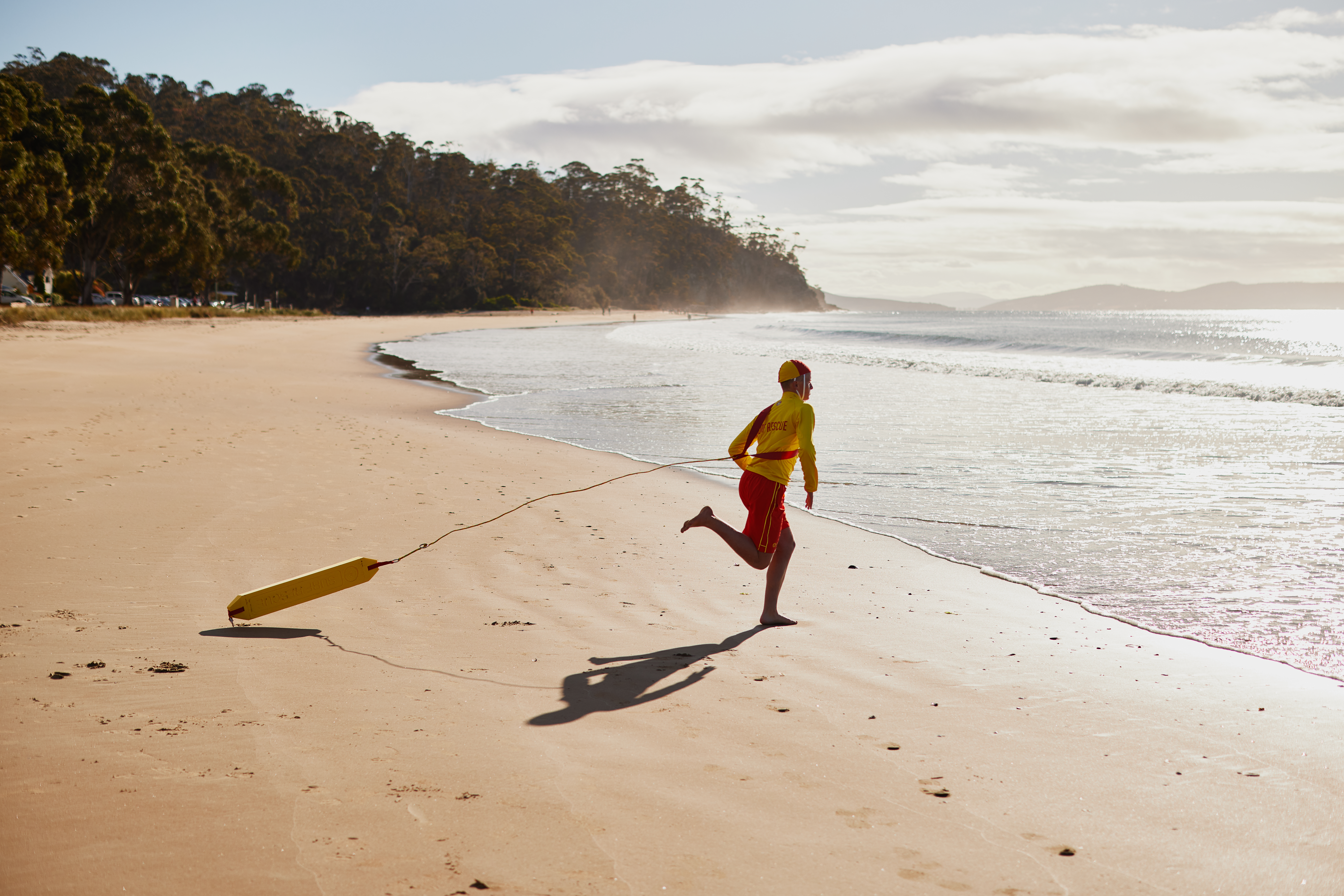
Volunteer surf lifesavers went about their early morning routine setting up the patrol area ready for the busy summer day. The red and yellow flags were set directly in front of the patrol tent in the safest place on the beach to swim that morning. Younger patrol members were encouraged to get into the water to swim and stay sharp for the busy day ahead. A Bronze Medallion training group run by Dee Why SLSC President, Lachlan Pike, was finishing its final session further down the beach, running through CPR, spinal carries, and unconscious patient rescues - skills they hoped they’d never need, but that are a vital part of the training volunteer surf lifesavers undergo.
“There was no indication that anything was going to happen. It was just one of those quiet, nice easy days,” said Dee Why SLSC Director of Surf Life Saving and Patrol Captain on that Sunday, Cameron Read.
But as Cameron and Lachlan know, it can take just seconds for circumstances to change.
Across Australia, Volunteer Surf Lifesavers Stand Ready
While the Dee Why SLSC patrol crew set up for the day, an army of volunteer surf lifesavers repeated the process across Australia’s patrolled beaches. Monitoring the conditions, setting up the red and yellow flags, placing beach safety signs, checking over equipment – inflatable rescue boats (IRBs), radios, medical equipment - preparing for a day protecting the public; a role that has so far this summer, seen our heroes in red and yellow dedicate thousands of hours of their own time, their weekends and public holidays, all because of their calling to keep our communities safer.
In fact, from December 1, 2025, to the time of writing,* volunteer surf lifesavers like Cameron and Lachlan, have saved the lives of 3,626 people, they’ve performed 939,221 preventative actions, and they’ve administered 15,926 first aid treatments. Their value to their communities and those who visit our Australian beaches cannot be overstated.
And back on Dee Why Beach, a lifesaving rescue was about to occur, one that emphasises the incredibly vital role our heroes in red and yellow play on our beaches.
Just Seconds Can Change Everything
It was around 10:30am when everything changed.
A man was spotted floating face-down in the break by a volunteer surf lifesaver. He’d been dumped headfirst into a sandbank by a wave. A freak accident.
Immediately urgency hit as the patrol crew sprang to action.
“Within a minute and a half, we had brought him in, and he was on the beach getting worked on,” Cameron said. “When we got him out, he was blue, non-responsive, no breath.”
“Within a minute and a half, we had brought him in, and he was on the beach getting worked on,” Cameron said. “When we got him out, he was blue, non-responsive, no breath.”
More volunteer surf lifesavers sprinted down the beach with their equipment. The man was treated and stabilised for the risk of a spinal injury and CPR began immediately on the sand. Oxygen kits were opened. Defibrillators were called for. The quiet, sunny morning fractured into a coordinated, high-stakes emergency.
A Patrol Team with a Lifesaving Mission
At the centre of it all was a patrol team made up of volunteers, some with decades of experience, others barely into their teens – all everyday people, students, tradespeople, nurses - responding exactly as they had been trained.
For Cameron, acting as Patrol Captain meant his role was to coordinate the life-saving rescue. While CPR on the man continued, the rest of the beach still needed to be managed. Swimmers were cleared from the water. The beach was closed. Younger members were given jobs - holding screens to protect the patient’s dignity, fetching oxygen, guiding emergency services, so they could contribute without being forced to witness something confronting.
Meanwhile, alerted to the rescue, the training group further up the beach sprang into action. Among them were some of the most experienced lifesavers in the club - trainers, assessors, off-duty medical professionals, including Lachlan who sprinted down the beach to assist with the lifesaving CPR. They moved without hesitation, folding seamlessly into the response.
Then, after around five minutes, something extraordinary happened.
They got a pulse.
The man began breathing again.
It was a moment that cut through the intensity, brief, fragile hope in the middle of controlled urgency. But the work was far from over.
Ambulances and police arrived. The CareFlight helicopter touched down nearby.
In total: multiple volunteer surf lifesavers, four ambulances, police units, helicopter doctors, paramedics, all working together with one mission – save the man’s precious life.
For over an hour, the man was stabilised on the sand. Then again on the promenade. He left the beach in an ambulance. But he was breathing. With a heartbeat. Alive.
Why Your Support Matters
This rescue didn’t succeed by chance.
It worked because volunteers were trained. Because equipment worked. Because multiple defibrillators were available. Because oxygen didn’t run out.
And none of that is free. This is why YOUR donation saves lives.
Volunteer surf lifesavers give thousands of hours each year, unpaid, to serve their communities and ensure others can enjoy the beach safely. In fact, the patrol crew at Dee Why provide up to 8,000 hours every year for free. And every single second they are on patrol is vitally important; for example, the weekend prior to interviewing Lachlan and Cameron, the Dee Why patrol crew had performed five rescues in just one hour.
But the equipment, training, and support that make rescues like these possible rely on community generosity.
“During the rescue, we had two or three defibrillators on the beach, and we replaced all our defibs last year, that cost us $25,000. We went through four or five bottles of oxygen, and each bottle is 50 or 60 bucks… it doesn’t take long to add up,” Cameron said reflecting on the rescue and some of the vital equipment it took to keep the patient alive.
“Fundraising is vitally important for us,” said Lachlan. “It can cost us up to $150,000 a year to open our doors and put patrols out on Dee Why Beach. Having supporters who are willing to back us, means our members can keep doing what they do to the best of their abilities. It means we can have the best quality rescue equipment, first aid equipment, it means we can get to the patient quicker, that we can know we’re using the best defibrillator and have enough oxygen. Having the support of donors means we can spend our time on the beach patrolling which as a club is so important to us.
“Even if you are only able to donate a small amount - $10, $20 - that's still vitally important, that’s effectively one third of an oxygen bottle. Every single donation adds up and means so much to us,” he added.
Stand with our heroes in red & yellow
This Red & Yellow Day, and throughout our Red & Yellow Day Appeal, we’re asking you to join our lifesaving community and stand shoulder to shoulder with those who patrol our beaches, protect the public, and ultimately, save thousands of precious lives every year. We’re celebrating the volunteers who stand strong in the face of danger and tragedy, who tirelessly sacrifice their own time to ensure the safety of others, and who often do it without thanks, all to safeguard people like you and me.
One of the ways you can support our heroes in red and yellow, like Cameron and Lachlan and the thousands of volunteer surf lifesavers across Australia who stand vigilant across our beaches, is by donating to Surf Life Saving.
When you donate, you’re not just giving money.
You’re funding the defibrillator that restarts a heart.
The oxygen that keeps someone breathing.
The training that turns panic into action.
And the support that helps volunteers save a life.
Click here to read more about how you can get involved this Red & Yellow Day and support the volunteer surf lifesavers who are ready to react when seconds matter most.
Because the next life saved could depend on what you do right now.
*Data capture range 1/12/2025 to current. Lifesaving data current as of February 15, 2026. Source: Surf Life Saving Australia 2025/26 Summer Drowning & Lifesaving Statistics - https://sls.com.au/coastal-safety/sls-research/national-summer-coastal-drowning-data/.
Sign up for the newsletter and keep up to date.
Other Surf Life Saving websites

You must be 18 years or over to enter Surf Life Saving Lotteries
Copyright Surf Life Saving Australia Limited 2026
ACN: 003 147 180ABN: 67 449 738 159